
Weeding in the Whau
One Backyard at a Time
Most of us want to see our natural world flourish. Native flora and fauna thriving, bringing in the native wildlife, in our forests, our beachfronts, right through to our backyards.
Working towards this takes time, and graft. Invasive pest plants - ginger, agapanthus, moth plant - to name a few, grow voraciously in Aotearoa New Zealand. While organisations such as Auckland Council, community organisations and volunteers work hard to control pest plants in our reserves and public spaces, taking care of our personal spaces – from the berm to the back fence – is just as important.
With funding from the Whau Local Board and in partnership with Auckland Council’s Environmental Services, Community Waitākere is undertaking a hyper-local project to rid backyards of pest plants. Environmental Coordinator, Catherine Albiston, explains:

“These pest plants don’t simply stop growing once they reach a property boundary; they spill out onto our ecologically significant local parks. Working in the Whau, we are engaging with residents on streets neighbouring Āmio Blockhouse Bay Beach and Gittos Domain providing resources and tools to tackle pest plants.
We know these parks are home to precious native species, which is why we need to actively protect these areas from introduced pests”
Not only do these invasive plants invade our native flora and fauna, some pose direct risks to people and pets. Woolly nightshade can trigger respiratory issues. Moth plant harbours toxic sap. Tradescantia irritates dogs' skin. Privet contributes to hay fever and allergies - health impacts that affect the families and households in these streets every single day.
For residents in the Whau, protecting the ecological health of their local environment means protecting their own backyards, their children's play spaces, and their pets' wellbeing.
To build momentum with community for the project, community events were held where native plants were distributed, along with equipment such as pruning saws, gloves and weed-gel. The team visited over 100 homes educating and inspiring locals to take action in their own backyard.
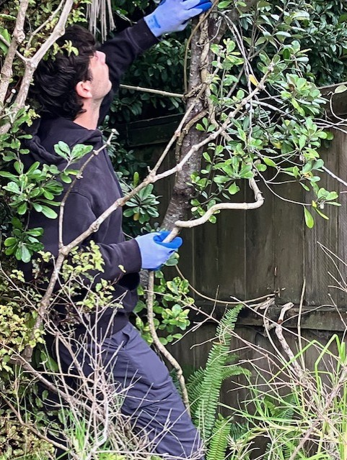
“The team took the time to walk around the garden with me and explain which were weeds and what would be effective against them.”
– Community member
Early in the project, the team met with local environmentalist, Malcolm Peak. Member of the local environmental group Friends and Kaitiaki of Blockhouse Bay Beach, Peak was quick to offer support to neighbours who mightn’t physically be able to carry out the necessary work or mightn’t know where (or how) to begin.
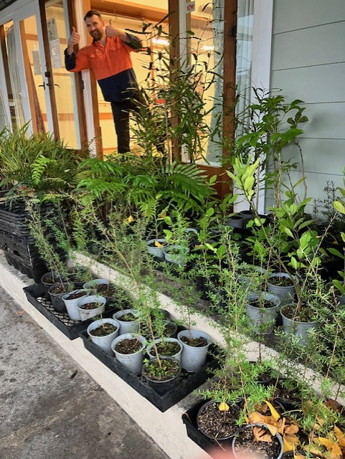
Elderly neighbours, people who’d have difficulty carrying out the physical work, and those just starting out were offered the support of Peak and his group members, who visited their homes and removed the pest plants.
While Community Waitākere’s project will soon move to a new focus area, the relationships will continue.
Community Waitākere will continue supporting residents and local groups in the Whau through ongoing access to tools, expert guidance, and connection to volunteers like Friends and Kaitiaki of Blockhouse Bay Beach.
Albiston continues:
“The people who live in this neighbourhood want to see their natural environment thrive. They now have the connections, the tools and the expertise to see it through into the future.”
