
When Seeds Take Root
Nurturing curiosity through outdoor learning
In August, teachers from 19 schools in West Auckland will meet at Sunnyvale School.
They'll walk the food garden together, then trade seeds they've saved from their own school gardens - lettuce, beans, whatever's done well last season, traded with whatever someone's curious to try somewhere else. Before that, an icebreaker: cards with plant names in te reo Māori and English, matched into pairs. Out in the grounds, one person closes their eyes and is guided by the shoulders to a particular spot. A tap, "click," and for three seconds they open their eyes to take in whatever's been chosen for them, before closing them again. Then they’ll swap.
None of this requires much from Bronwyn Smith on the day. That's the point - her part, as Community Waitākere's environmental education coordinator, happens earlier, in how each session gets put together.
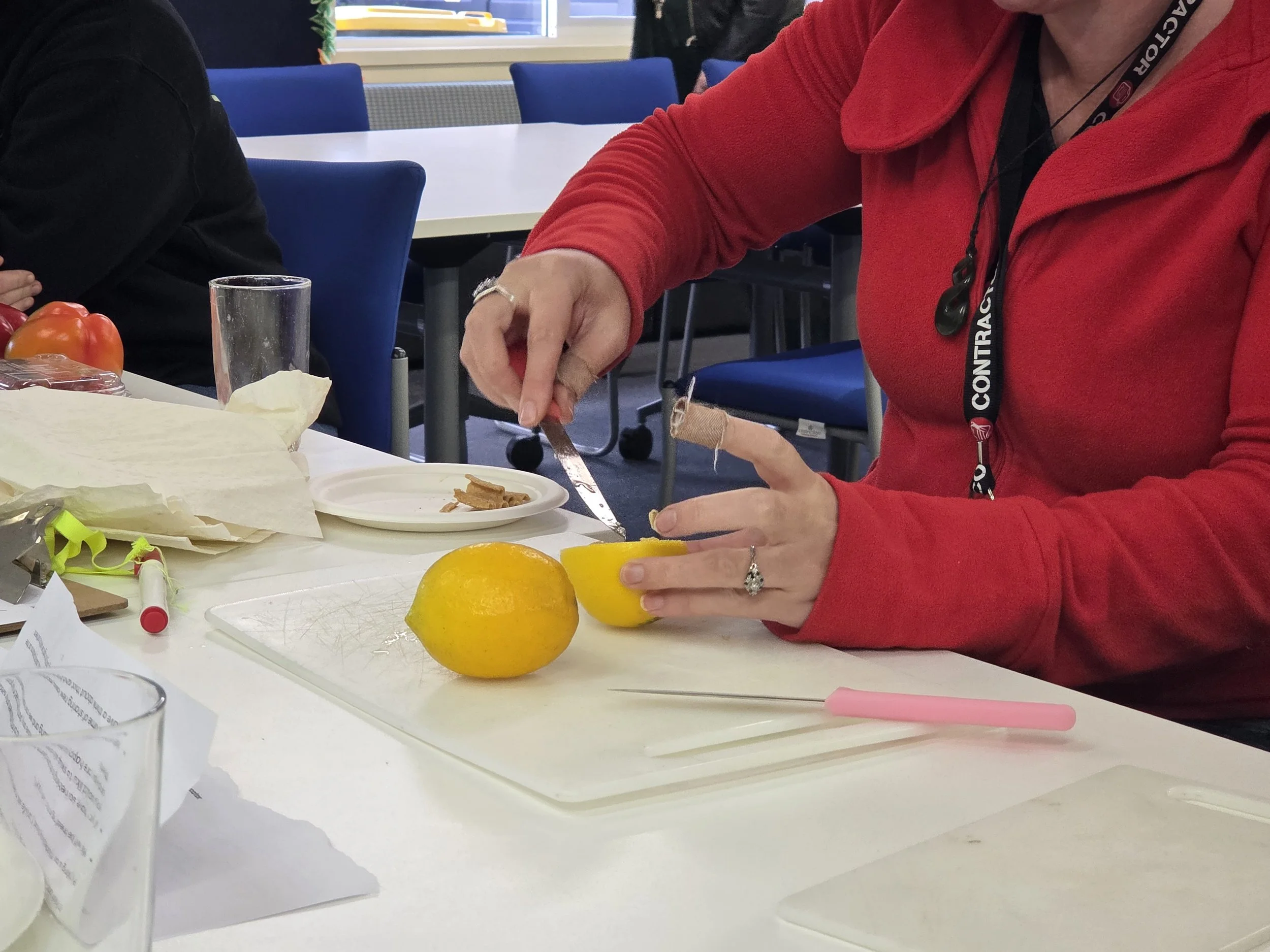
"I'm always thinking about what a teacher can incorporate into their own outdoor classrooms – something that gives a kid a reason to stop, look properly, and wonder about what they're seeing. Icebreakers with the teachers offer really practical activities they bring back to their own schools."
Most teachers who want to bring nature into their teaching already know what they're aiming for - kids who notice things, who slow down outside, who feel curious about a seed pod or a beetle somewhere. What's harder to come by is the knowledge underneath that noticing: how a patch of soil actually holds together, why a fungus matters as much as a flower, what one school's grounds have taught them that another school is still working out for itself. That kind of knowledge doesn't sit neatly in any one place, and building it alone is slow. Now in its third year, the teacher cluster works by moving that knowledge sideways.
“I feel so well supported from outside the school. This cluster is so important to my practice and energy!” – Teacher in the learning cluster.
A teacher brings a question or a curiosity to Smith - a former teacher who facilitates and guides the cluster - and together they shape it into the next session.
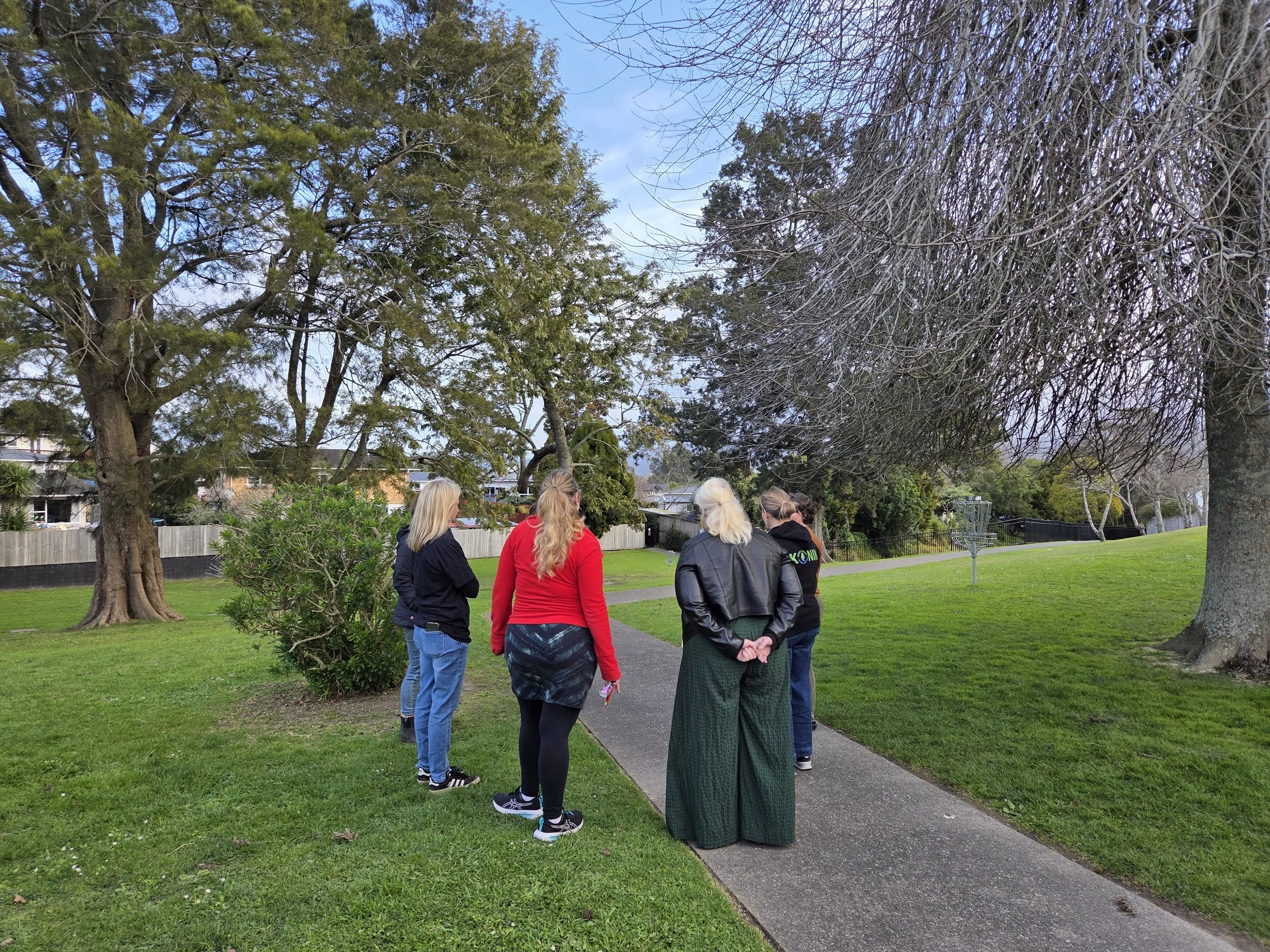
Smith's support doesn't stop there. She also works alongside teachers in their own classrooms, running practical demonstrations of what environmental education can look like in situ.
"Sometimes I'll run a session with the tamariki myself, so teachers can learn through watching – building their understanding and confidence to lead the sessions themselves moving forward," she says.
This year's thread has been plants and growing. Where it goes next isn't decided yet - Smith has a hunch - but nothing's confirmed until teachers have shaped it themselves. That's by design: the thread follows the clusters curiosity.
“Operating an outdoor classroom requires immense adaptability, as nature, kids and learning is constantly shifting... It is rare to witness a [session] so perfectly aligned with my space and teaching style.” – Teacher in the learning cluster.
That's really what the cluster builds, term by term: a habit of looking closely at what's already around. A kid who's spent a morning matching plant names, then gone looking for that plant in the garden, tends to keep looking - at home, on the way to school, wherever something catches their eye.
"The cluster isn't trying to convince anyone that nature matters. It's building the curiosity that makes it matter, season by season," says Smith.